May 19, 2026
Dr. Fratianne: The Art of leadership
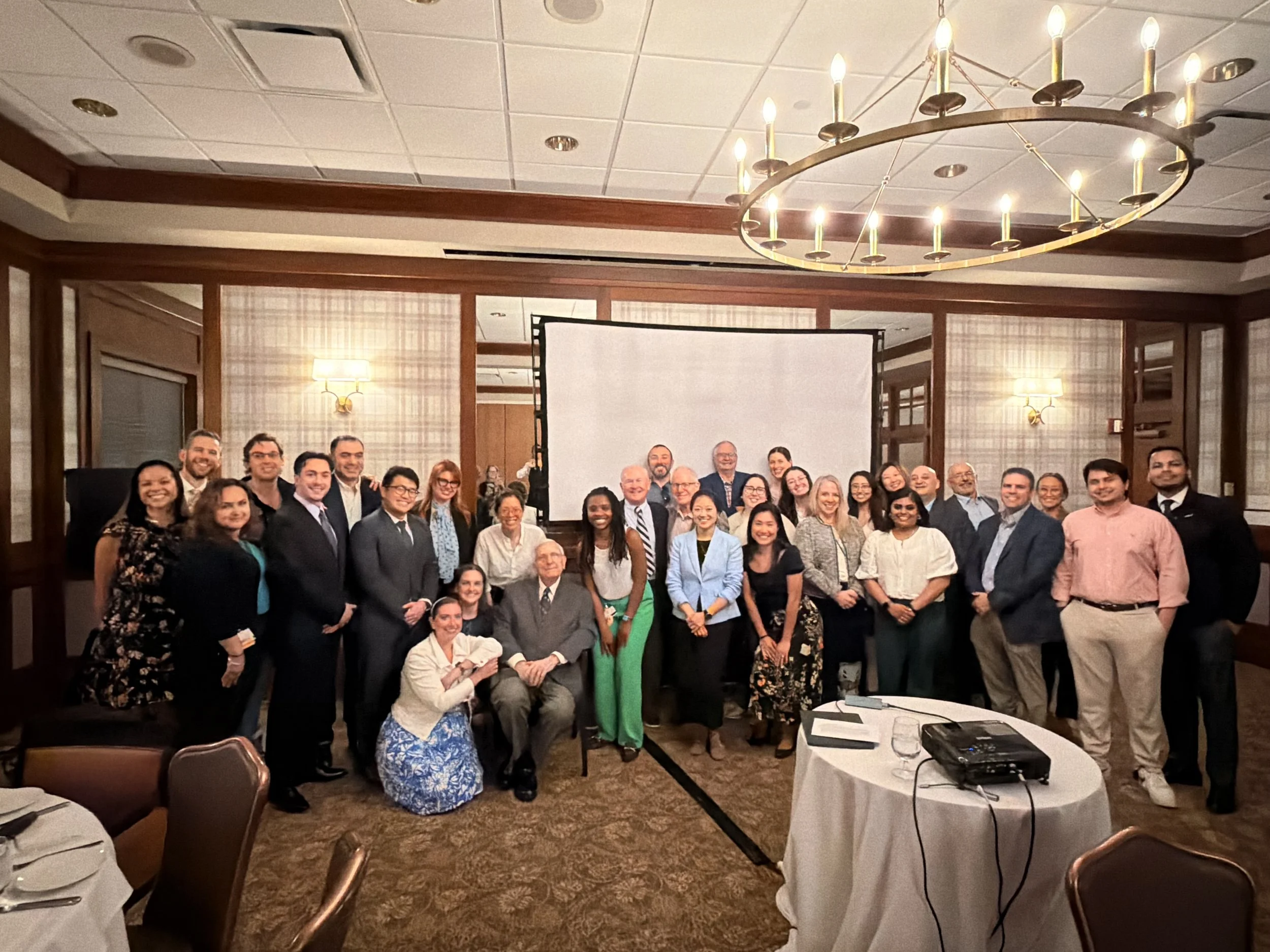
We had the honor of welcoming a magnanimous icon of Cleveland, someone who helped lay the foundation for burn and trauma care in the city and helped put MetroHealth on the map. Dr. Fratianne started the burn center at MetroHealth in 1969 and was a true leader, someone who led by example. He cared deeply about the patients and took care of the whole patient before that was a widely accepted mentality. He built teams of like minded individuals and valued everyone’s voice equally.
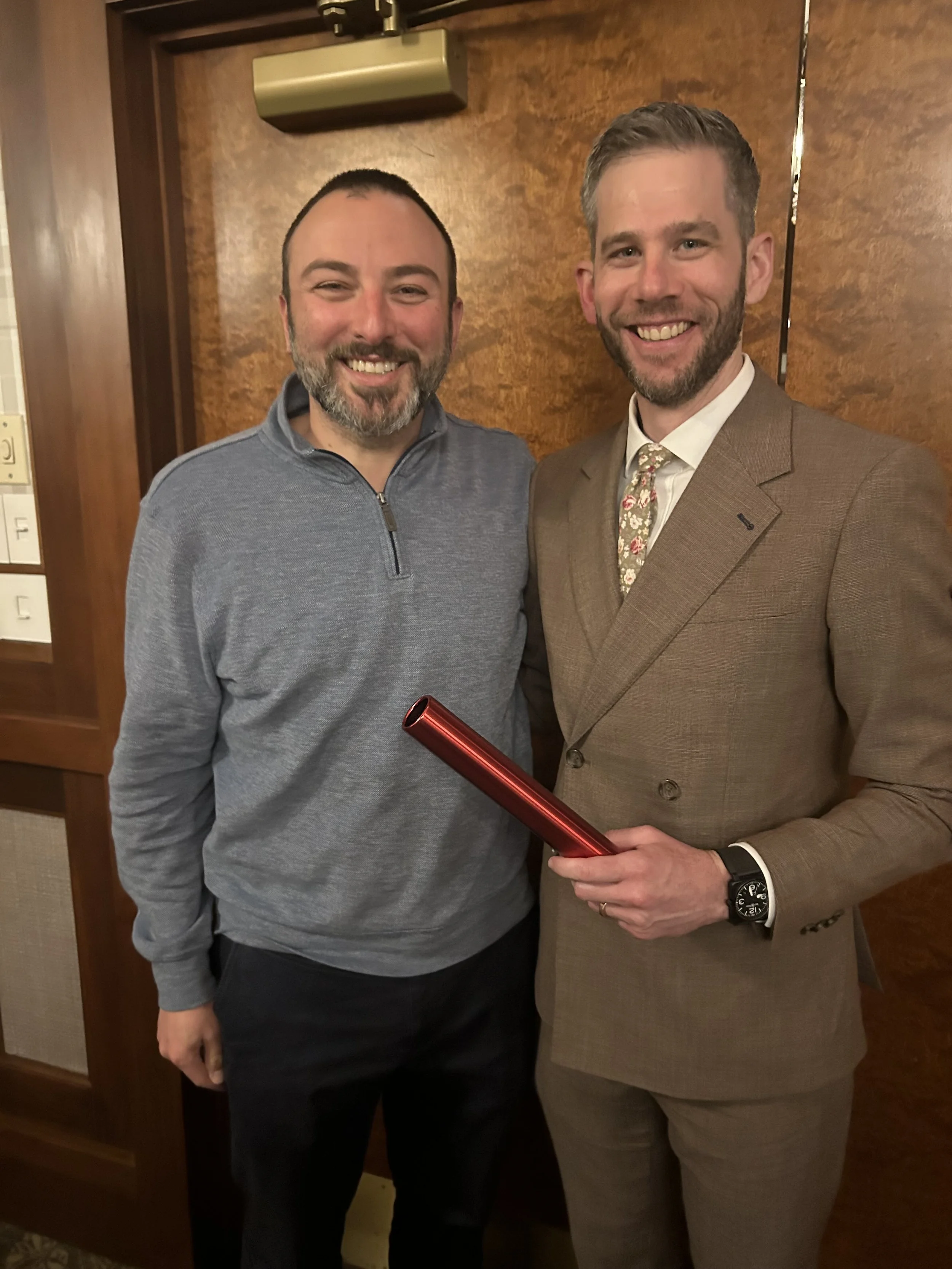
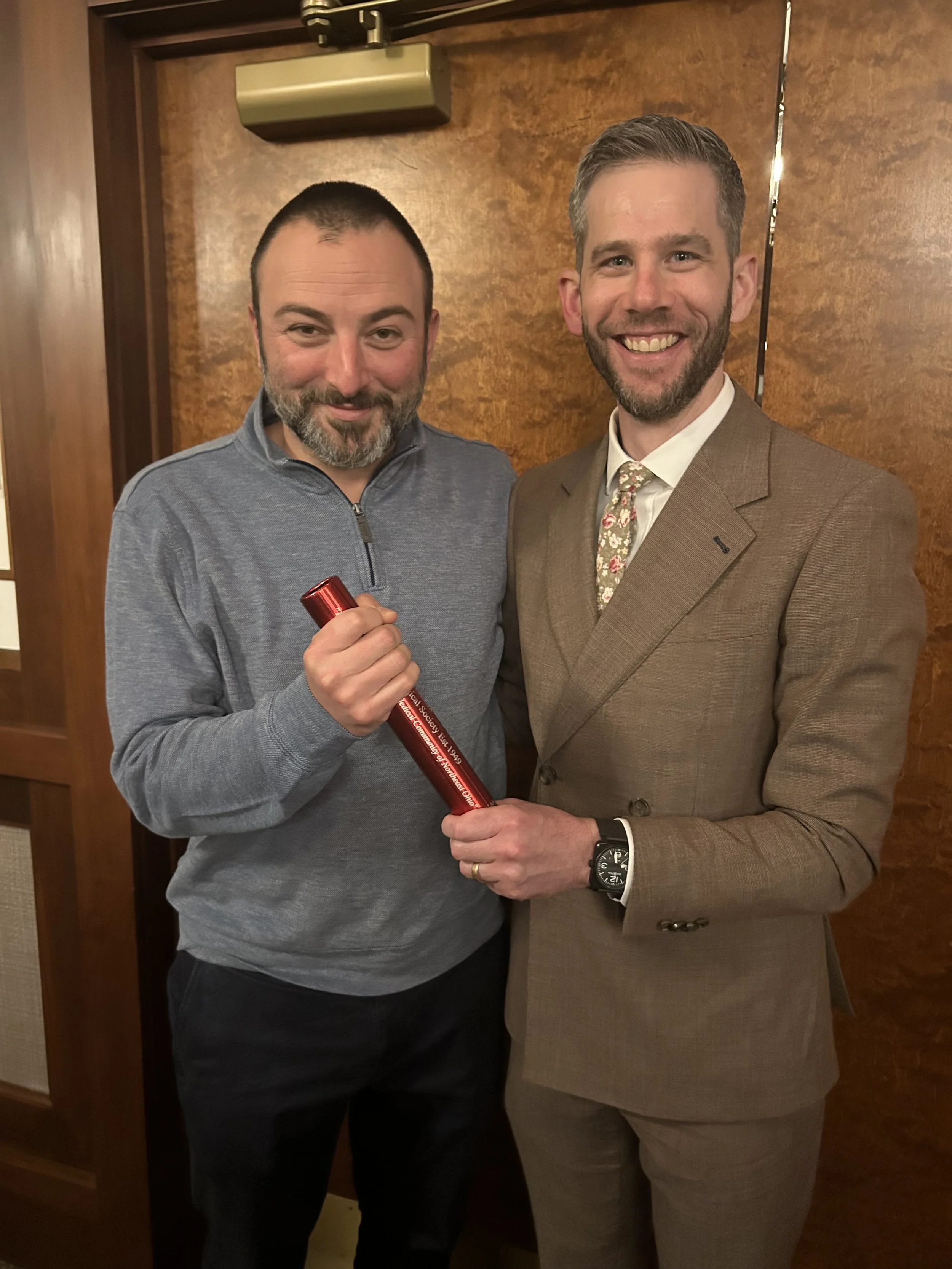
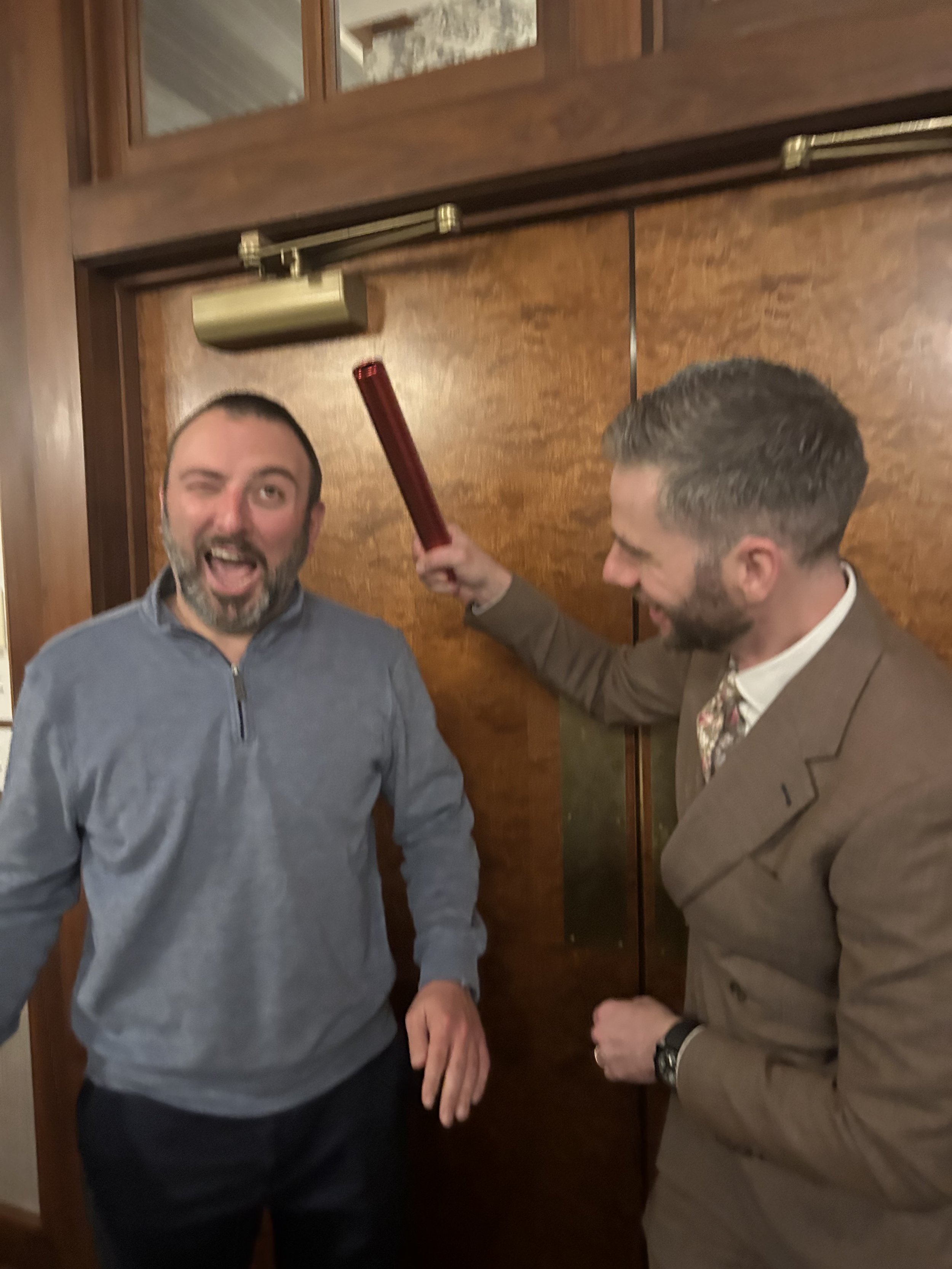
We also saw the end of Dr. Simon’s Presidency come to a close as he handed the (literal) baton over to the 77th President of the Cleveland Surgical Society, Dr. Matthew Burstein. So excited for the year to come!
March 10, 2026: Research Night at the Movies



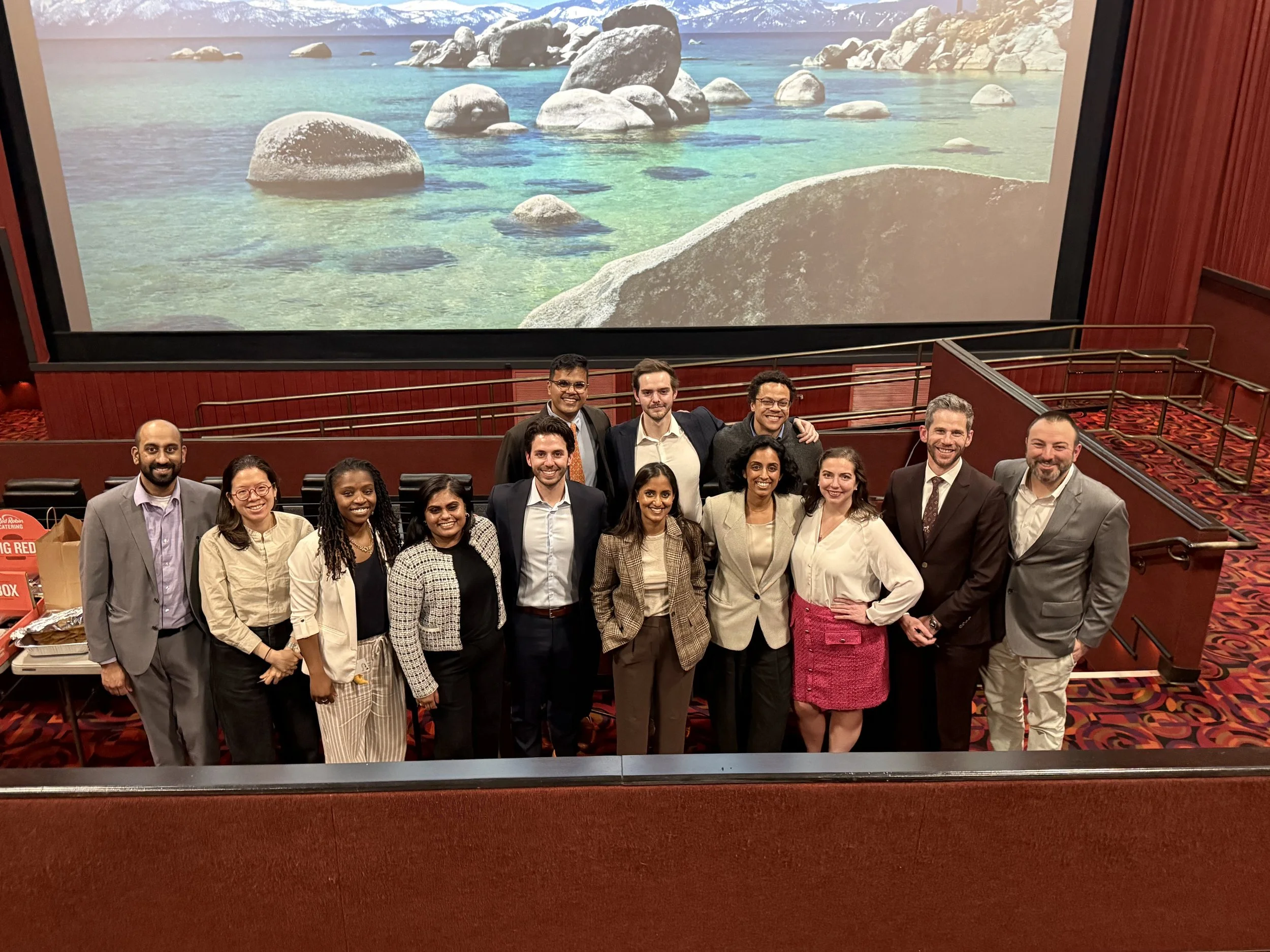
Winners
-
Noah Tocci, MD
Skipping opioids after inguinal hernia repair led to more patients requesting rescue opioids (7.8% vs 3.4%).
The difference was small but statistically significant, and most rescue requests happened on the day of discharge.
Pain, quality of life, satisfaction, and return visits were the same whether patients got opioids or not.
Most patients given opioids used little or none (62% took zero pills).
Bottom line: Giving a very small opioid prescription reduces rescue requests, but many patients don’t use them—so the benefit must be balanced against overprescribing.
-
Pooja Podugu, MD
EMS response times to firearm injuries are slower in more socially vulnerable and rural zip codes.
High-risk areas had ~2 minutes longer response times, with the most vulnerable averaging ~10.5 minutes (vs ~7 minutes in lower-risk areas).
Lower population density (rural areas) also independently increased delays.
In the most vulnerable/rural areas, response times exceeded the 10-minute benchmark.
Bottom line: Where you are affects how fast EMS gets to you, and these disparities are measurable and potentially fixable.
-
William Bennett, MD
An IV fluid shortage (after a hurricane disrupted supply) led to significant fluid conservation in surgical patients.
Patients during the shortage got much less IV fluid (~900 mL/day vs ~1500 mL/day).
This was associated with higher risk of acute kidney injury (↑76%) and slightly longer hospital stays.
No difference in 30-day readmissions or mortality.
Bottom line: Cutting IV fluids saved supply but likely harmed kidneys and prolonged recovery, highlighting risks of aggressive conservation during shortages.
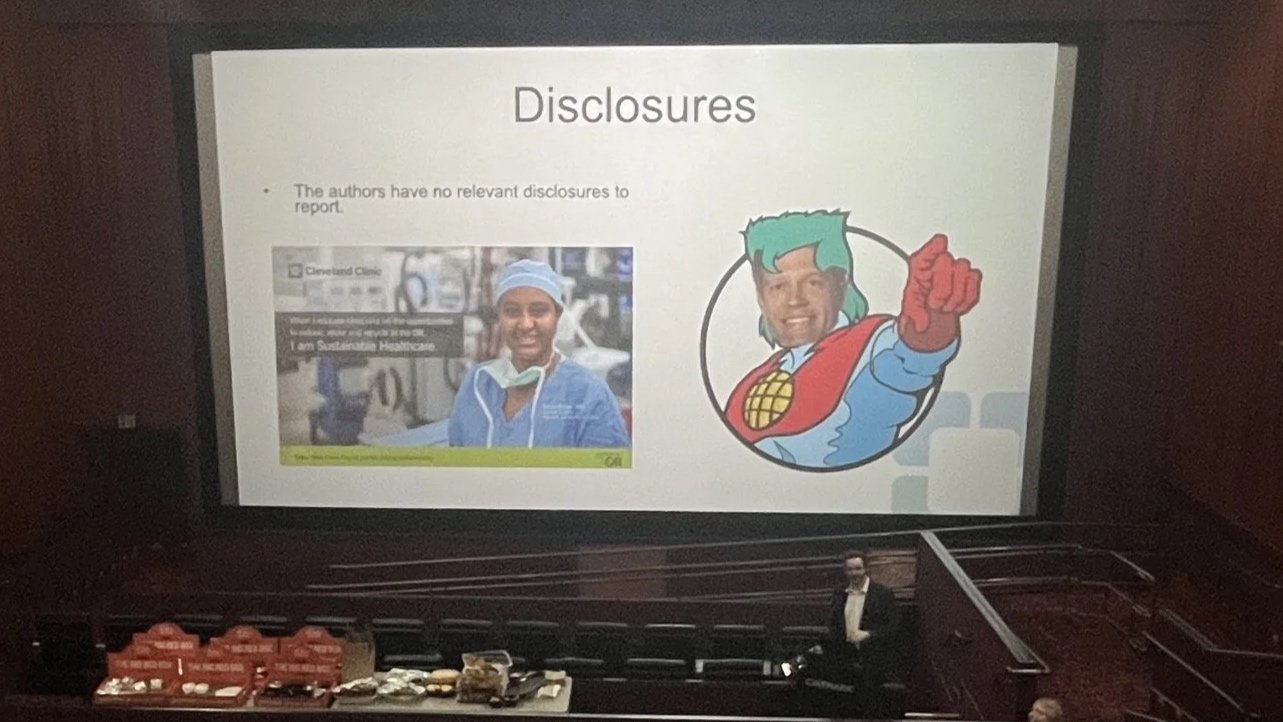
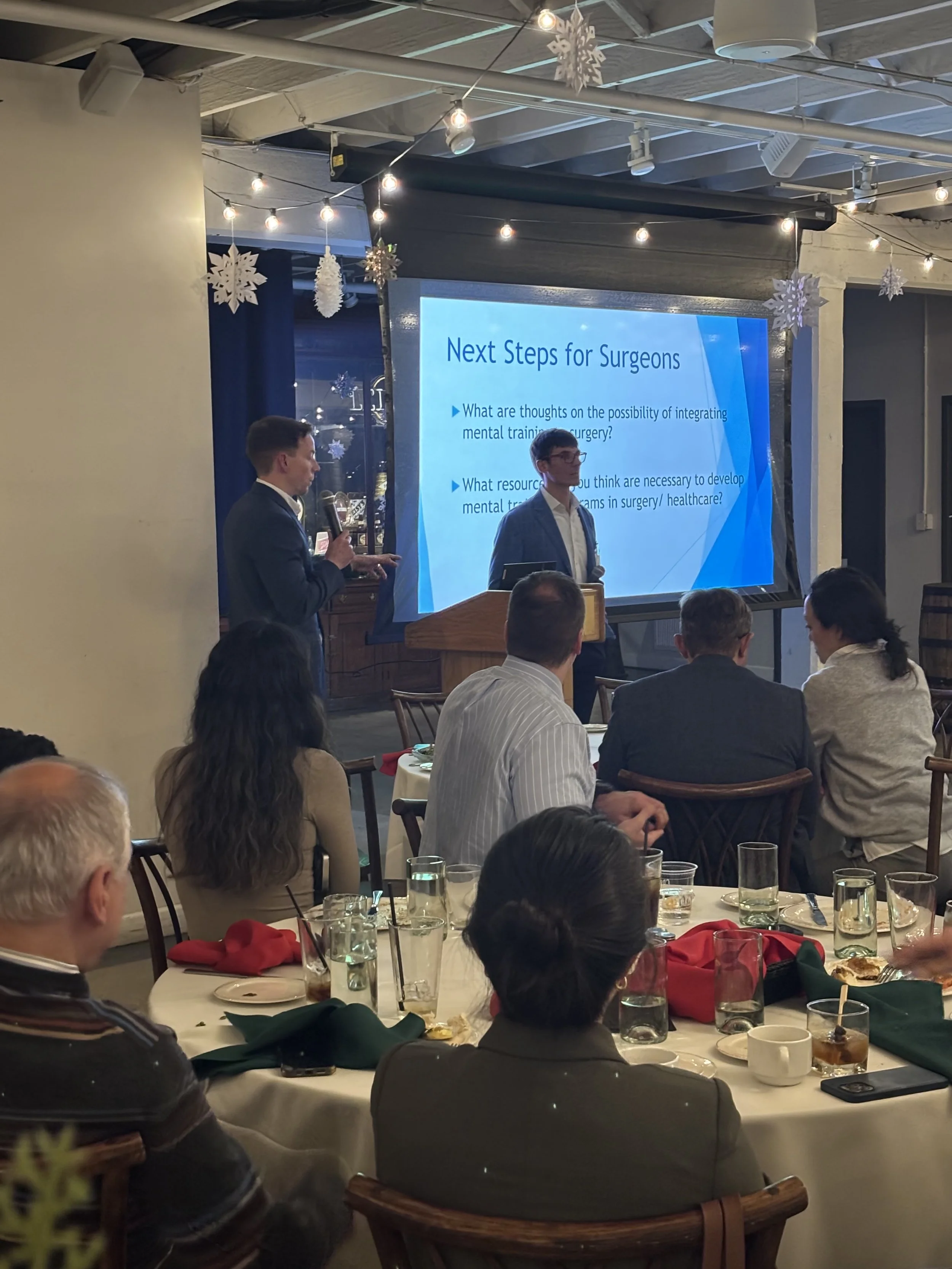
The Jims presented a practical, evidence-informed synthesis of performance principles from elite athletics and their application to surgical practice and training. The talk emphasized mindset, preparation, team dynamics, and recovery strategies that improve consistent, high-stakes performance in the operating room.
High-level performance depends on deliberate practice, feedback loops, and progressive challenge—not only medical knowledge or technical repetition.
Elite athletes use routines to regulate arousal and focus; surgeons can adopt brief, standardized preoperative routines to reduce variability and optimize attention (e.g., mental rehearsal, checklists, breathing, visualization of key steps).
Athletes train to maintain situational awareness under fatigue and distraction. Surgeons should cultivate the same.
Simple tools to manage stress in-the-moment: regulated breathing, tactical pause, reframing negative thoughts into task-focused cues.
Olympic teams succeed through clearly defined roles, trusted communication, and rapid, direct feedback. The OR benefits when every team member understands responsibilities and expected contributions.
Mental skills training—focus, imagery, self-talk, and routines—should be taught alongside technical skills in residency curricula.
Athletes analyze mistakes without stigma and implement corrective practice. Surgical culture should adopt a systems-based, nonpunitive approach to errors, emphasizing learning and resilience.
Structured debriefs and psychological safety are crucial to convert adverse events into reliable improvements.
Conclusion Naples and Doorley argued that adopting high-performance sport principles can make surgeons and surgical teams more consistent, resilient, and effective.
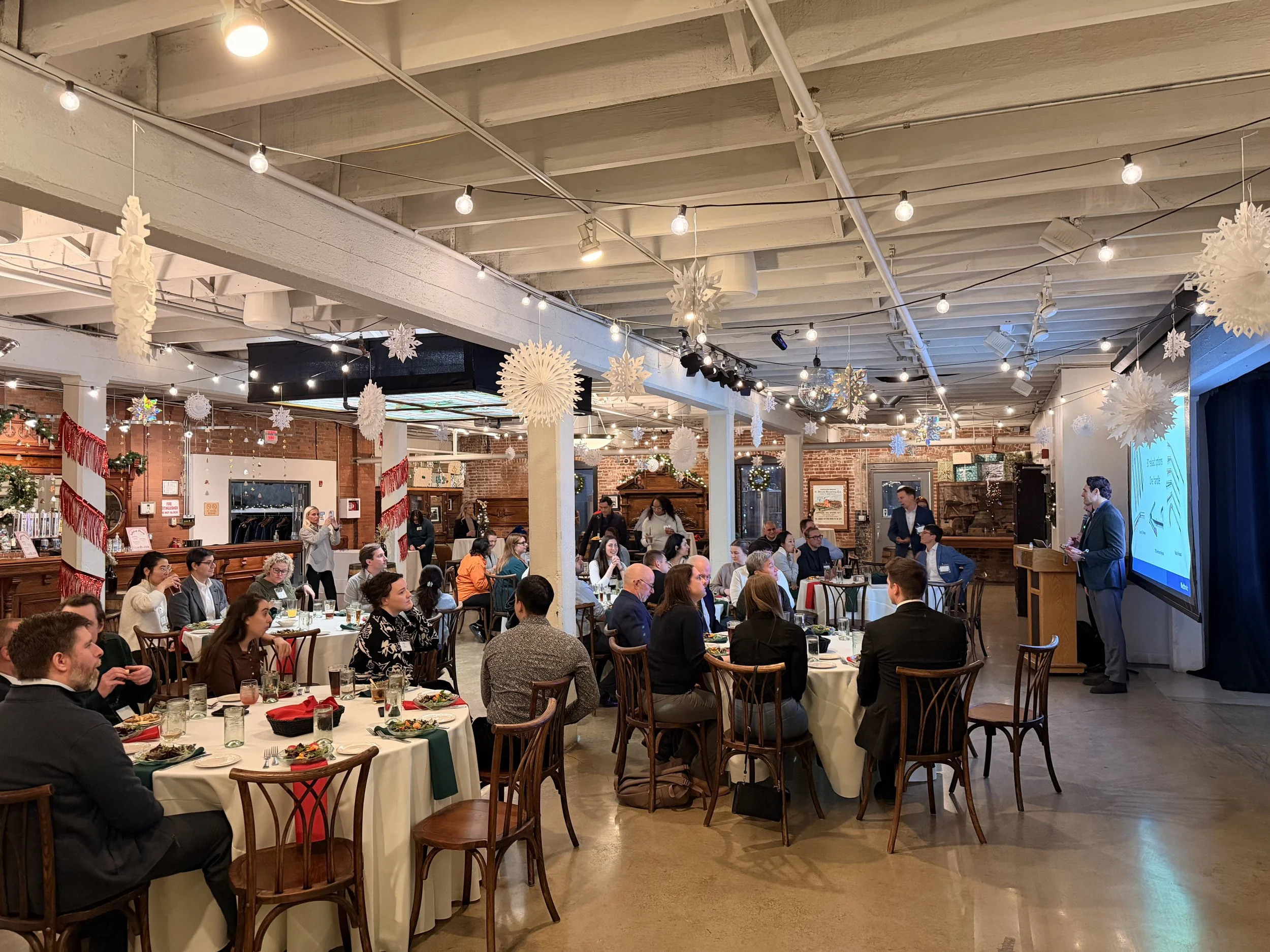
December 9, 2025: Surgeon Psychology: What we can learn from thinking like athletes

October 21, 2025
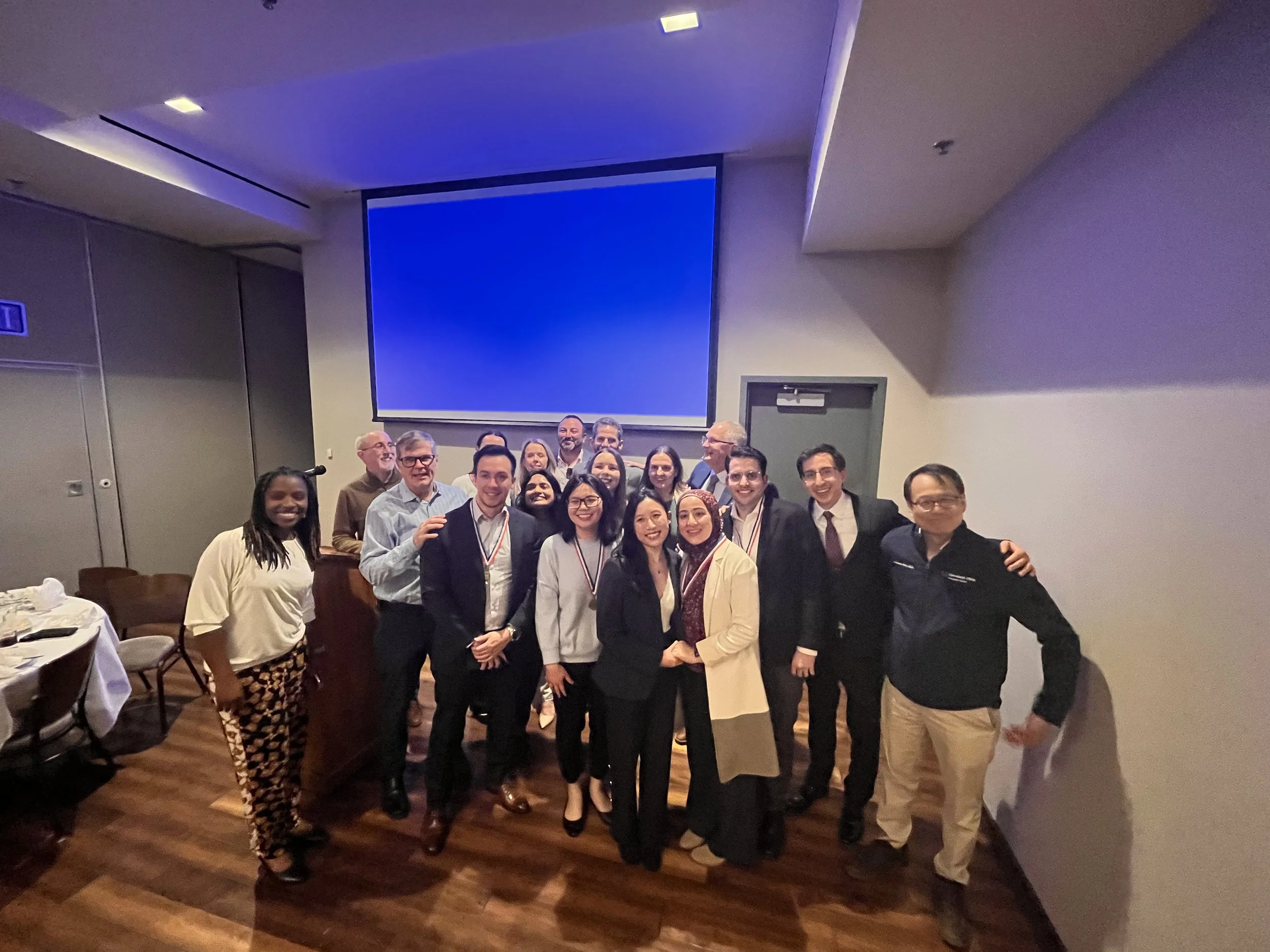
Team of staff surgeons pitted against a team of smart residents to try to solve real, obscure, challenging cases that actually occurred from all the major hospital systems in Cleveland… Residents won!!!